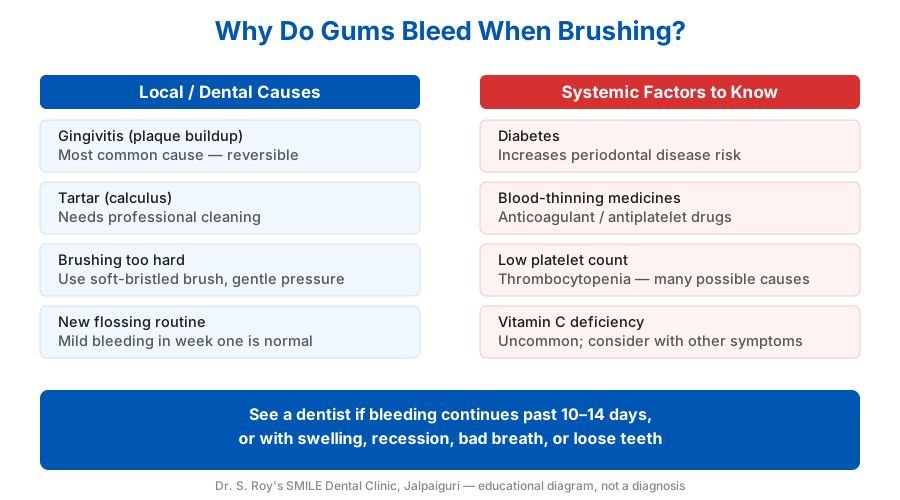
Seeing blood when you brush your teeth can be concerning. Bleeding gums are commonly associated with gum inflammation, particularly gingivitis and other forms of gum disease. Other factors — including brushing technique, plaque and tartar, certain medicines, diabetes, smoking, severe vitamin C deficiency, and low platelet counts — can also contribute.
Understanding the possible causes can help you decide when a dental examination is appropriate.
The Most Common Cause: Gingivitis
Gingivitis is an early form of gum disease. It can develop when plaque, a sticky film containing bacteria, builds up around the teeth and gumline.
As the gums become inflamed, they may become red, swollen, tender, and more likely to bleed when brushing or cleaning between the teeth.
Plaque that is not removed can harden into tartar (calculus). Tartar can contribute to gum inflammation and cannot be effectively removed with ordinary brushing; professional cleaning is required. (NIDCR — Periodontal (Gum) Disease)
Early gum disease caused by plaque buildup can often be reversed with good daily brushing and flossing. More advanced periodontal disease can damage the tissues and bone supporting the teeth and may eventually contribute to loose teeth or tooth loss. (NIDCR)
Can Brushing Too Hard Make Your Gums Bleed?
Aggressive brushing can irritate the gums. Use a soft-bristled toothbrush and gentle pressure — brushing harder does not mean cleaning better. The goal is to remove plaque effectively without unnecessarily irritating the gums. The American Dental Association recommends soft-bristled toothbrushes and gentle pressure. (ADA — Toothbrushes)
Replace your toothbrush when the bristles become frayed or worn.
What About Flossing or Cleaning Between the Teeth?
A toothbrush cannot effectively clean all the surfaces between teeth. Cleaning between the teeth helps remove plaque from these areas and is an important part of daily oral hygiene. (ADA — Dental Floss/Interdental Cleaners)
If your gums bleed when you clean between your teeth, do not automatically assume that the bleeding is harmless. Regular or persistent bleeding should be assessed by a dental professional, particularly if it continues despite good oral hygiene.
Can Certain Medicines Make Gums Bleed?
Some medicines can increase the tendency to bleed or make existing bleeding more noticeable — particularly medicines that affect blood clotting, including certain anticoagulant and antiplatelet medicines.
Do not stop a prescribed medicine because your gums are bleeding. Tell your dentist about all medicines you take so your dental and medical situation can be assessed appropriately.
Diabetes and Bleeding Gums
People with diabetes have a higher chance of developing periodontal (gum) disease. Diabetes can also slow healing and may make gum disease more difficult to manage, particularly when blood glucose is not well controlled. (NIDCR — Diabetes and Oral Health)
People with diabetes may notice that their gums become swollen or bleed when brushing or flossing. Regular dental visits, good oral hygiene, and good blood-glucose control help prevent and manage oral health problems. (NIDCR)
Can Low Platelets Cause Bleeding Gums?
Yes. A low platelet count is called thrombocytopenia. Platelets, also called thrombocytes, help form blood clots that stop bleeding.
When the platelet count is low, a person may have difficulty stopping bleeding. Possible signs include bleeding gums, nosebleeds, easy bruising, petechiae (small, flat red or purple spots under the skin), and bleeding that lasts longer than usual after an injury.
Mild thrombocytopenia may cause no symptoms and may be discovered during a routine blood test. There are many possible causes, including certain medicines, infections, immune conditions, problems affecting the bone marrow, an enlarged spleen, and other medical conditions. (NHLBI — Thrombocytopenia)
If you already know that your platelet count is low, tell your dentist before dental treatment. A low platelet count requires appropriate medical evaluation, particularly when it is persistent, unexplained, or associated with other bleeding symptoms.
Can Vitamin C Deficiency Cause Bleeding Gums?
Severe vitamin C deficiency can cause scurvy, which may include swollen, inflamed and bleeding gums. However, severe vitamin C deficiency is not the usual explanation for bleeding gums. The cause should not be assumed to be a vitamin deficiency without considering diet, other symptoms, and medical history. (NIH Office of Dietary Supplements — Vitamin C)
Smoking and Gum Disease
Smoking and tobacco use are important risk factors for gum disease. Tobacco can also delay healing and make treatment for gum disease less successful. (NIDCR) If you smoke or use tobacco, quitting can benefit your oral and overall health.
What Can You Do If Your Gums Bleed?
- Brush your teeth twice a day with fluoride toothpaste
- Use a soft-bristled toothbrush, with gentle pressure rather than scrubbing
- Clean between your teeth regularly
- Replace worn toothbrushes
- Avoid tobacco products
- If you have diabetes, work with your healthcare team on blood-glucose control
- Tell your dentist about medicines and medical conditions that may affect bleeding
Do not stop brushing simply because your gums bleed. Keeping plaque under control is an important part of managing gum health.
When Should You See a Dentist?
Arrange a dental examination if your gums regularly bleed during brushing or cleaning between your teeth, particularly if you also notice:
- Red or swollen gums, or persistent bad breath
- Gum recession, or pus around the gums
- Pain while chewing, or sensitive/loose teeth
- Persistent or worsening bleeding
- Repeated gum problems despite good oral hygiene
When Is Bleeding an Urgent Medical Problem?
Seek urgent medical attention if bleeding is heavy or does not stop when pressure is applied, particularly if you have a known bleeding disorder or significantly low platelet count. (NHLBI)
Noticing ongoing bleeding when you brush?
A short clinical check can identify the exact cause and how simple the fix is.
Message Us on WhatsAppMedical References: NIDCR — Periodontal (Gum) Disease · NIDCR — Health Info · NIDCR — Diabetes and Oral Health · NHLBI — Thrombocytopenia · ADA — Dental Floss/Interdental Cleaners · ADA — Toothbrushes · NIH ODS — Vitamin C